
February’s calendar is crowded with hearts and holiday sales, yet it also marks National Cancer Prevention Month—a reminder that the fight against cancer begins long before a diagnosis. While research labs and hospitals often headline the battle, public health experts say many of the most powerful defenses happen in ordinary kitchens, work-places and doctor’s offices.
Studies from major cancer organizations estimate that roughly 40 percent of cancers are connected to factors people can influence, including tobacco use, diet, alcohol consumption, sun exposure and physical inactivity. Those numbers do not guarantee control, but they highlight opportunity: prevention. Prevention is about reducing risk, not assigning blame.
Across the country, community clinics use February to promote screenings and education. Mobile mammogram units visit small towns, pharmacies advertise smoking-cessation programs and health departments host seminars on nutrition and exercise. Organizers say these efforts are meant for people where they are, especially those who rarely interact with the medical systems, whether that be from financial stress or other factors.
Vaccination has become one of the clearest preventive measure stories. The HPV vaccine, now recommended for adolescents and young adults, can prevent several forms of cancer later in life. Yet misinformation continues to slow participation. Nurses and pediatricians spend much of the month answering questions from hesitant parents.
Lifestyle changes remain the backbone of prevention messaging. Nutritionists encourage meals centered on vegetables, fruits and whole grains, while warning against heavily processed foods. Fitness specialists emphasize that movement does not require expensive equipment; regular walks, stretching or active hobbies can make a measurable difference—all of which is advice many have heard before. The challenge, though, is turning advice into habit.
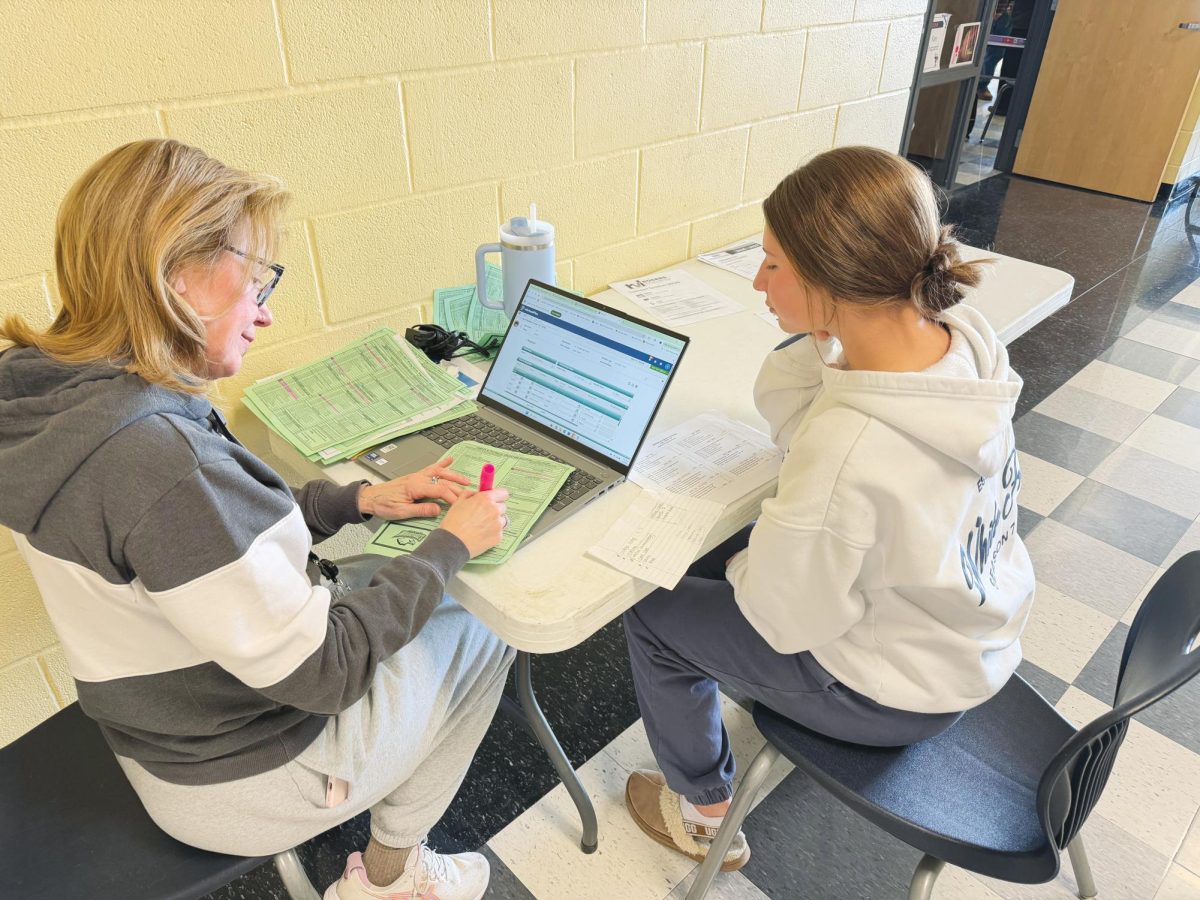
“I think as long as we are open to [the students] about this, they will see it as part of being a healthy adult,” said AP English Language and Composition teacher Kim Shepard.
Knowing personal risk is equally critical. Family history, environmental exposures and age can all raise the odds of certain cancers. Genetic counseling and earlier screenings like mammograms for women help some people catch problems before symptoms appear. For others, learning about inherited risk brings anxiety as well as clarity.
For families already touched by cancer, prevention month can stir mixed feelings. Experts acknowledge that now behavior offers absolute protection. The message, they say, should be hopeful rather than judgemental: risk can be lowered, even if it can never be erased.
As February moves on, the ribbon colors may fade from view, but the choices remain—scheduling a checkup, taking a walk after dinner and asking about vaccines.